About the Author
Barry Coleman - Author of the Scary Aunt Sally Stories
Barry Coleman is a writer, dementia campaigner and advocate whose work is inspired by his personal experience of living with Alzheimer’s in the family. His wife, Lynn, was diagnosed with Alzheimer’s at the age of 58. Barry cared for her at home for eight years before she moved into a residential nursing care.
Through this journey, he has experienced first-hand the challenges dementia brings, not only for the person living with the condition but also for their family, friends and carers.
Barry founded a locally based dementia charity Dementia Caring, which supports people affected by dementia through community activities, information, advice and opportunities for carers to connect with others who understand their experiences.
The Scary Aunt Sally stories grew from Barry’s belief that children, too, need help to understand dementia. He wanted to create stories that would help them make sense of changes they might see in someone they know, while encouraging kindness, patience and understanding.
Through his writing, Barry hopes to make a difference by helping the next generation approach dementia with greater confidence, compassion and empathy.

About the Scary Aunt Sally Project
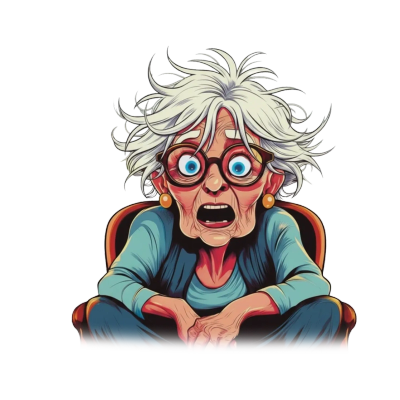
Helping children understand dementia, one story at a time
Scary Aunt Sally is a series of illustrated children’s stories, written primarily for children aged 5 – 11. Using warmth, gentle humour, memorable characters and everyday situations, the books introduce children to dementia in an accessible and reassuring way.
Dementia can be confusing or frightening for children when someone they know begins to behave differently, struggles to remember things or finds communication difficult. Children may have questions but not know how to ask them. The Scary Aunt Sally stories aim to open up conversations, help children understand what is happening and encourage them to look beyond the condition to the person underneath.
The stories explore friendship, family relationships, memories, music, kindness and the importance of community support. They also show that families affected by dementia need not face their challenges alone, and that practical help, understanding and opportunities for carers to take a break can make a real difference.